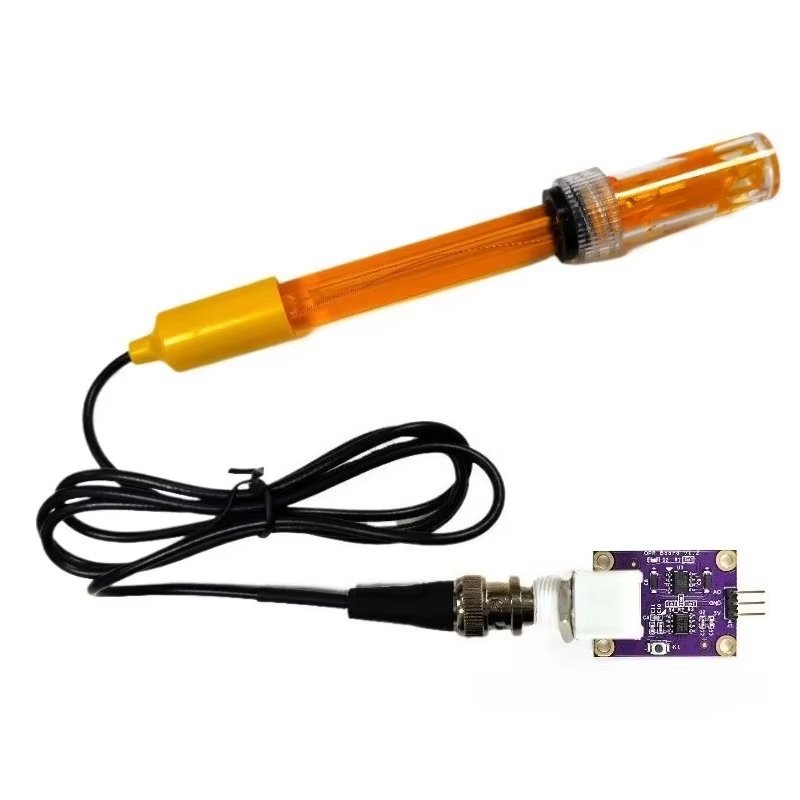
ORP Sensor Module Product Information
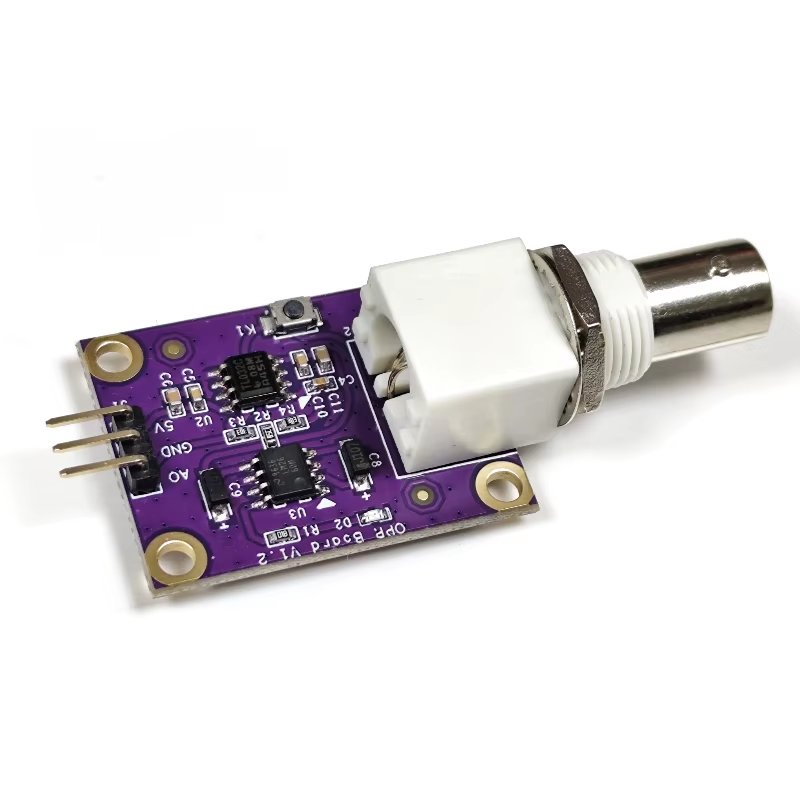
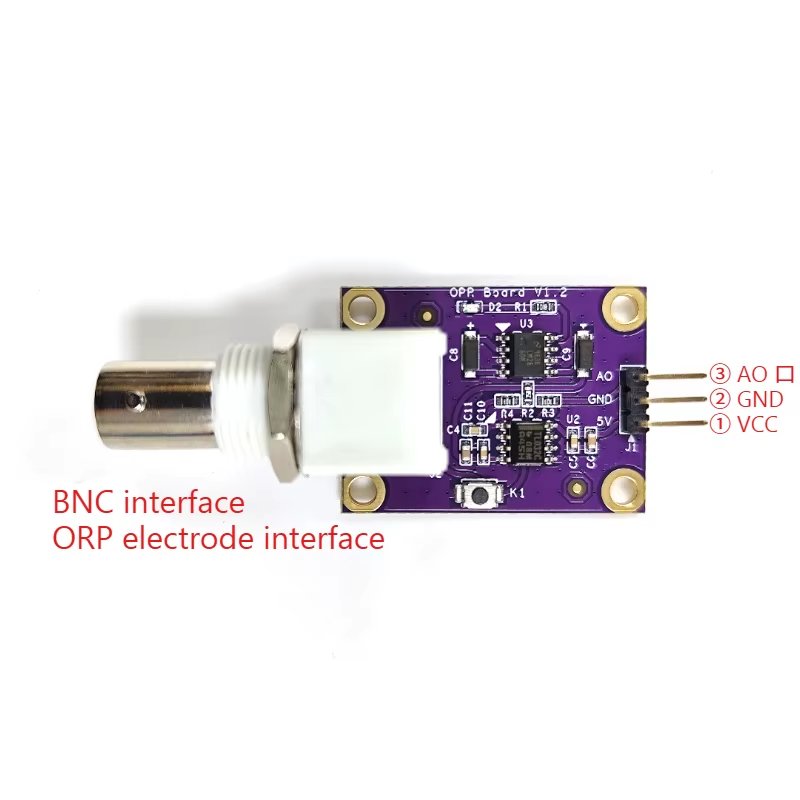
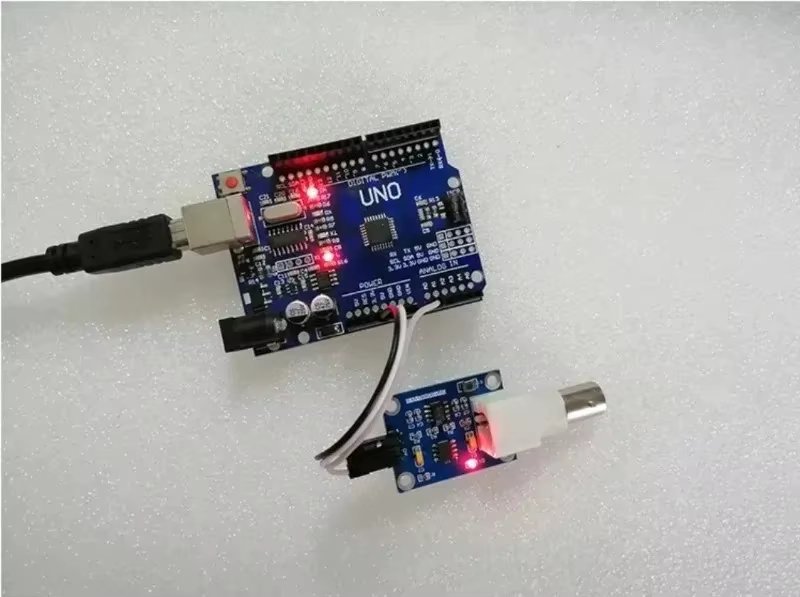
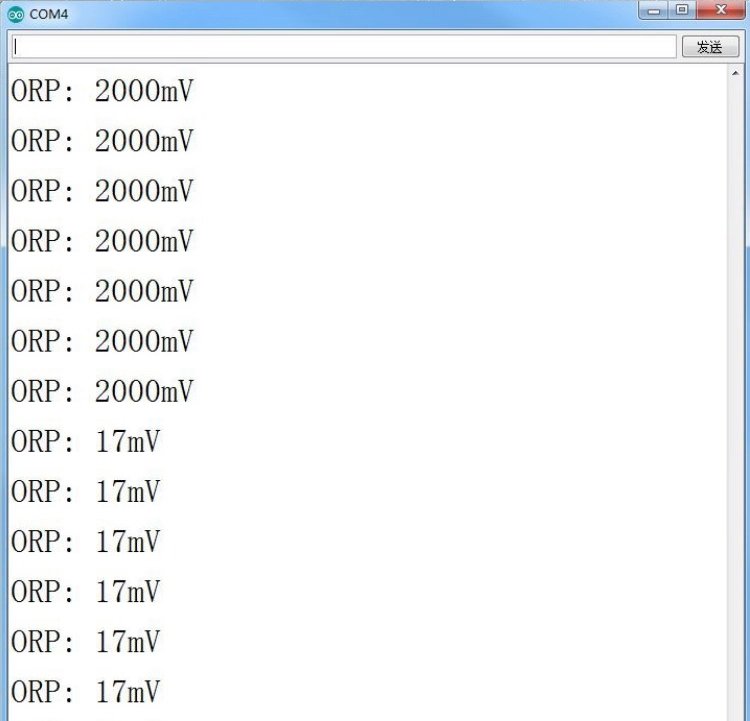
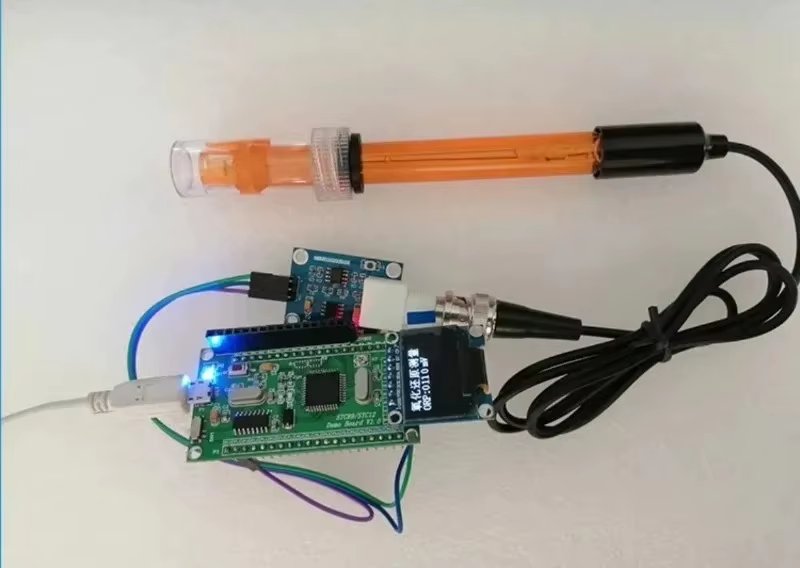
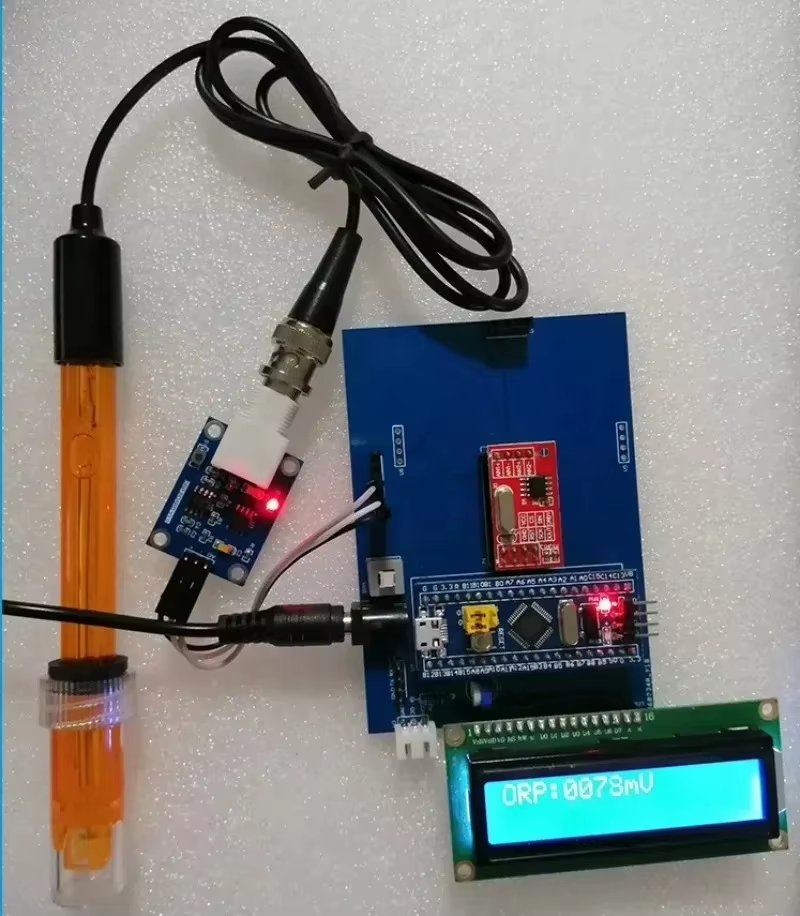
First, product overview Oxidation-Reduction Potential (ORP) is a key indicator for measuring redox capacity, expressed in mV. The higher the ORP value, the stronger the oxidation; conversely, the stronger the reduction. In the field of water quality testing, ORP is an extremely important comprehensive indicator that can reflect the status of redox substances in water bodies and help people understand the state of water quality. The wiring and use method of this ORP sensor module are simple and easy to understand. After connecting the circuit, the ORP value of the solution can be measured by program control. The measuring element adopts an ORP composite electrode, which is composed of a gold or platinum electrode and a reference electrode. It is used to accurately measure the redox potential of the solution. Second, technical parameters Power supply: + 5.00V, the closer the power supply voltage is to this value, the higher the measurement accuracy. Measurement range: -2000mV - 2000mV, which can meet the needs of redox potential measurement in various scenarios. Output voltage range: 0 - 4V, output measurement results in the form of analog signals. Measurement temperature: 5 - 70 ° C, can work normally in this temperature range. Measurement accuracy: ± 10mV (25 ° C), ensuring high measurement accuracy at standard temperatures. Response time: ≤ 20sec, can quickly respond to the change of solution redox potential. Stability time: ≤ 1min, allowing the measurement results to reach a stable state in a relatively short time. ORP potentiometer interface: BNC interface is adopted to facilitate connection with ORP electrodes. Module size: 35mm × 26mm, compact size, easy to install and integrate. Three, pin description The module has three pins. The VCC pin is the positive electrode of the power supply voltage, which needs to be connected to a 5V voltage, and 3.3V cannot be used; the GND pin is the negative electrode of the power supply voltage; the AO pin is the analog signal output pin, and the output voltage range is 0-4V. Four, the use of methods First, connect the ORP sensor module to the processor, and do not connect the ORP potentiometer for the time being. Burn calibration routines to prepare for accurate measurement. Open the serial port debugging assistant and view the current printed ORP value. Press the zero calibration button on the module to get the offset. Change the "A & dline OFFSET 0 & rdquo; in the program to" A & dline OFFSET [measurement value] & rdquo;, recompile and download the program to eliminate the zero drift caused by the operation amplification and improve the measurement accuracy. Connect the ORP electrode to the BNC interface of the ORP sensor module, and burn the corrected program to measure the ORP value of the solution. Five, matters needing attention Make sure that the power supply voltage of the ORP module is close to + 5.00V to ensure the measurement accuracy. ORP electrodes usually do not require calibration and can be used directly. If there is any doubt about the quality of the electrode or the test results, the electrode potential can be checked with the ORP standard solution to determine the performance of the electrode or instrument. After each measurement of a solution, the ORP electrode should be cleaned with water. It is recommended to use deionized water to avoid the residual solution affecting the subsequent measurement. When the ORP electrode is connected to the ORP module, it is strictly forbidden to press the calibration button to prevent damage to the equipment or affect the measurement accuracy. As the solution temperature increases, the ORP value will decrease significantly, and the two have a good linear relationship. Therefore, when measuring the solution ORP value, the current solution temperature must be indicated for the measurement results to be practical. Six, electrode maintenance 1. The ORP composite electrode can be used without calibration under normal circumstances. When in doubt about the test results, the mV value can be tested with a standard solution to determine the quality of the electrode. 2. The electrode front protective bottle is filled with an appropriate amount of electrode immersion liquid, and the electrode head is soaked in it. Before measurement, loosen the bottle cap, pull out the electrode, wash it with pure water and dry it for measurement (be careful not to use a surface with friction). After measurement, the electrode should be soaked in the protective liquid, and tighten the bottle cap in time to prevent the immersion liquid from seeping out. If the immersion liquid in the protective bottle is insufficient, it needs to be added in time. 3. How to configure the electrode soaking solution: Take a pack of pH 4.0 buffer, dissolve it in 250ml of pure water, add 36g of analytical pure potassium chloride, and stir until it is completely dissolved. 4. After long-term use, the sensitive components of the ORP electrode may be contaminated, resulting in measurement errors. When the electrode has no obvious contaminants, it can be immersed in 0.1mol/L dilute hydrochloric acid for 30 minutes, then washed with pure water, and then immersed in the immersion solution for 6 hours; if there are contaminants in the electrode, the sensitive components need to be cleaned with detergent first, then washed with pure water, and finally immersed in the immersion solution for 6 hours.
ملخص
حساس ORP (جهد الأكسدة والاختزال) يُستخدم لقياس قدرة الأكسدة أو الاختزال في السوائل، وتُقاس قيمته بالملي فولت (mV). كلما ارتفعت قيمة ORP زادت القدرة على الأكسدة، وكلما انخفضت زادت القدرة على الاختزال. ويُعد مؤشراً مهماً جداً في تقييم جودة المياه ومعرفة حالتها الكيميائية. الحساس سهل التوصيل والاستخدام، ويعتمد على قطب ORP مركّب (ذهب أو بلاتين مع قطب مرجعي) لقياس جهد الأكسدة والاختزال بدقة عالية، ويعطي الخرج على شكل إشارة تماثلية (Analog).
أهم المواصفات التقنية
الاتي: جهد التشغيل: 5V (ضروري للدقة – لا يعمل على 3.3V) مجال القياس: -2000mV إلى +2000mV خرج الإشارة: 0 – 4V (Analog) درجة حرارة التشغيل: 5 – 70°C دقة القياس: ±10mV عند 25°C زمن الاستجابة: ≤ 20 ثانية زمن الاستقرار: ≤ دقيقة واحدة منفذ القطب: BNC الحجم: صغير وسهل التركيب
الأطراف (Pins)
ثلاثة اطراف VCC: توصيل 5V GND: الأرضي AO: خرج الإشارة التماثلية
طريقة الاستخدام باختصار
هي: توصيل الوحدة بالمتحكم بدون القطب. تشغيل برنامج المعايرة. قراءة قيمة الانحراف (Offset) من السيريال. تعديل قيمة الـ Offset في الكود وإعادة رفعه. توصيل قطب ORP وبدء القياس الفعلي.
ملاحظات مهمة
انتبه للتالي: يجب تثبيت جهد التغذية قريب من 5V لضمان الدقة. غالباً لا يحتاج القطب إلى معايرة. تنظيف القطب بالماء (يفضل منزوع الأيونات) بعد كل قياس. ممنوع الضغط على زر المعايرة والقطب موصول. قيمة ORP تتأثر بدرجة الحرارة، ويجب ذكرها مع القراءة.
صيانة القطب
يُحفظ القطب دائماً في محلول الغمر. في حال ضعف الدقة يمكن تنظيفه بحمض هيدروكلوريك مخفف أو منظف خفيف حسب درجة التلوث. محلول الغمر يُحضّر من: - محلول pH 4 - ماء نقي 250ml - 36g كلوريد البوتاسيوم (KCl)